

In assisted reproductive therapy, the effectiveness of ovulation induction protocols is directly related to the choice of medications. Drugs such as Gonadotropin Stimulating Hormone, Pergonal, and Urinary Follicle Stimulating Hormone... different names often confuse patients: what are the differences in prices and effects? Is the more expensive drug necessarily better for them?
In fact, the core function of all ovulation induction drugs is to promote follicle development. However, their ingredients, purity levels, and duration of action vary, and so do the groups of people who can benefit from them. The key when choosing a drug isn't about "the more expensive, the better," but rather about finding a drug that accurately matches the patient's ovarian response and treatment goals.
1. Core components and classification of ovulation induction drugs
The core active ingredient in ovulation induction drugs is Follicle Stimulating Hormone (FSH). Some formulations also contain Luteinizing Hormone (LH) activity, allowing them to simulate the hormonal environment of the natural cycle and promote the synchronized development of multiple follicles. Representative drugs like Gonadotropin Stimulating Hormone and Pergonal are high-purity FSH preparations obtained through recombinant DNA technology. Representative drugs like urodrenalin (HMG) are purified gonadotropins extracted from the urine of postmenopausal women. In addition to FSH, these drugs also contain a small amount of natural LH activity. In most cases, conventional ovulation-stimulating medications are administered in short-acting forms, requiring daily injections. After a single administration of a long-acting agent, the effect can last for about a week, significantly reducing the number of injections required. There is no absolute "best" solution for ovulation-stimulating medications. The belief that "the more expensive the medication, the better it is" is a common misconception. When choosing medications, doctors consider various factors such as the woman's age, AMH level, number of primordial follicles, previous response to ovulation-stimulating treatments, and ovarian reserve. They then develop a personalized treatment plan.
The main differences between various formulations lie in four aspects:Source of the drug, purity level, half-life, and method of administration2. Classification by source:Recombinant FSH vs. Urinary FSH/HMG1. Recombinant FSH formulations
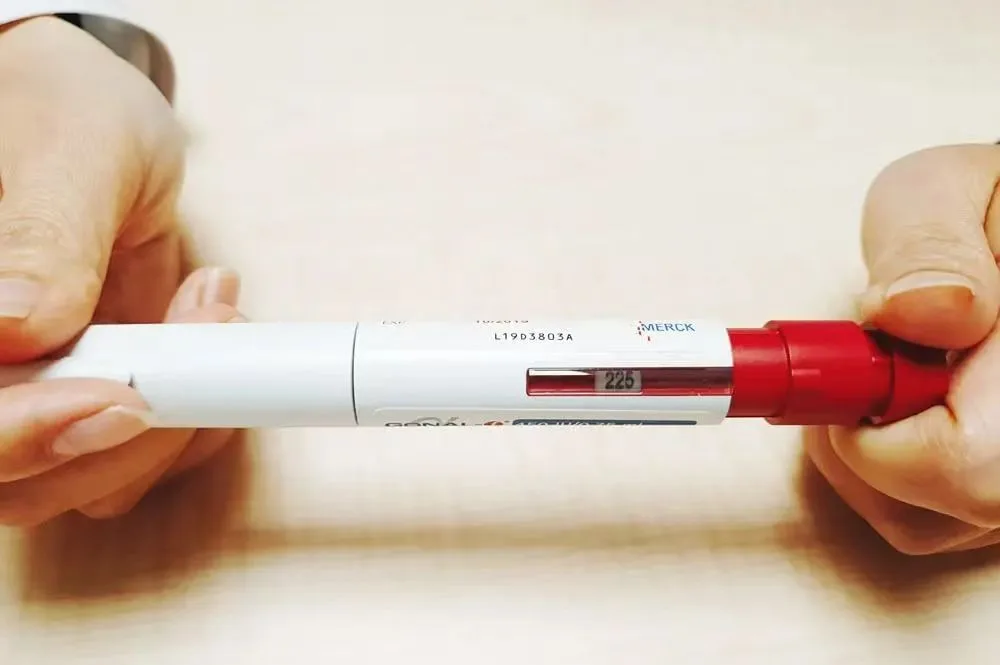
2. Urodrenalin-based FSH/HMG Products
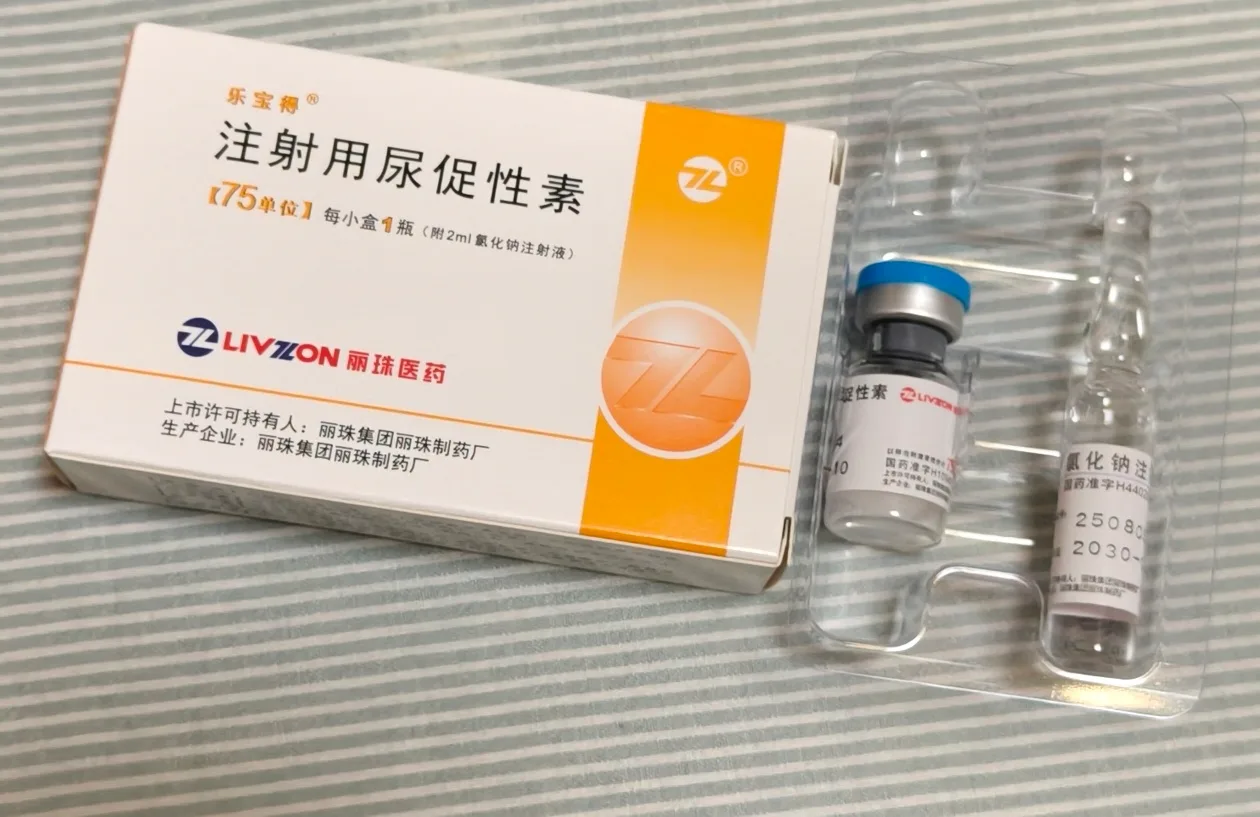
1. Short-acting Ovulation Induction Products
2. Long-acting ovulation-stimulating agents
IV. Key principle for selecting medications: Individualization is crucial
V. Important Precautions During Treatment
Ovulation-stimulating medications are prescription reproductive hormones, and their use follows strict clinical guidelines:
- It is strictly prohibited to adjust the dosage, change the injection schedule, or stop taking the medication without permission. Any adjustments must be approved by the attending physician.
- It is unnecessary to compare dosages with other patients. The dosage of ovulation-stimulating medications is individualized based on factors such as body weight, ovarian reserve, and baseline hormone levels. The dosage does not reflect the effectiveness of the treatment; comparing dosages blindly only causes unnecessary anxiety.
- It is important to follow the doctor's instructions and have regular check-ups to monitor follicle and hormone levels. This provides accurate information for the doctor to adjust the treatment plan accordingly.
Ovulation stimulation is a highly individualized process in assisted reproduction. The key principle is to choose the most suitable medication for each individual. Whether the medication is imported or domestic, short-acting or long-acting, only a treatment plan that fits the patient's physical conditions and treatment goals will be effective. It is recommended that patients trust professional evaluations and follow the doctor's instructions to complete the treatment cycle smoothly, avoiding unnecessary psychological burdens caused by misinformation.
For more on fertility preparation, second/third-generation IVF, and overseas, U.S., Thailand, Malaysia, America or Cambodia IVF, scan the QR code on the right or call lelaiwa's hotline+852 6145 8043!
 Address: Beijing City Yili Ecological Plaza
 WeChat: lelaiwa2008
 Phone: +852 6145 8043
