

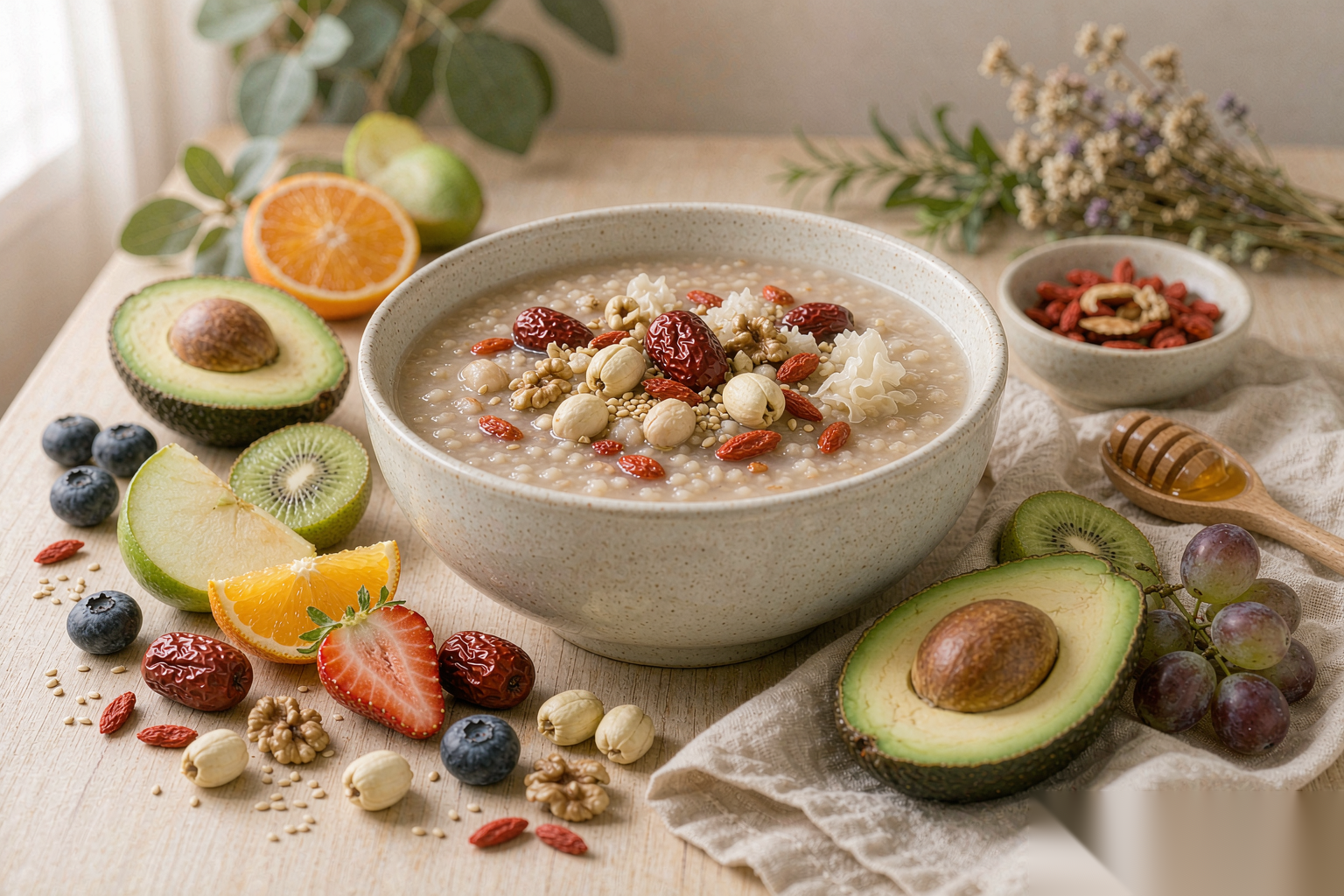
The term "sperm" refers to eggs and sperm in the context of preparing for pregnancy. After the Start of Winter, it's a good time to systematically implement lifestyle changes that improve the quality of gametes. This article provides a winter checklist for both men and women.
1. Women: Three things to keep in mind when nurturing eggs
1. Stable sleep patterns
Ensure 7–8 hours of sleep, trying to go to bed before 11 PM. Sleep is a "regulator" of endocrine functions, and disrupted sleep can directly affect ovulation.
2. Stable metabolism
In winter, people are prone to storing excess fat, especially those with PCOS. It's important to control sugar intake and weight. A stable metabolism ensures stable ovulation.
3. Stable emotions
In winter, daylight hours are shorter, leading to lower mood levels. Moderate outdoor activities, social interaction, and exposure to sunlight help support egg production.
2. Men: Three things to keep in mind when nurturing sperm
1. Control body temperature
Sitting for long periods, wearing tight clothing, taking saunas, or staying in warm rooms can increase scrotal temperature. Get up every hour or so, and wear loose, breathable underwear.
2. Control habits
3. Control weight
Overeating can raise scrotal temperature and disrupt hormone levels. Losing 5%–10% of body weight can improve these issues.
3. Joint efforts between partners
- Balanced nutrition: Quality protein, vegetables, fruits, and moderate amounts of nuts;
- Regular exercise: 3–5 times a week of low-intensity aerobic activity;
- Supplements as needed: Folic acid (for women), zinc and selenium (for men). Consult a doctor before taking any supplements;
- Avoid toxins: Quit smoking, limit alcohol consumption, and use supplements carefully.
4. Calculate your timeline carefully
Sperm production takes about 74 days, and it also takes time for eggs to be ready for ovulation. It takes at least 2–3 months to see results from improving lifestyle habits. The Start of Winter is a great time to start.
5. A reminder from Leila:
No matter how well a checklist is laid out, it cannot replace proper evaluation. If you know that your ovarian reserve is declining or you have severe oligospermia or asthenospermia, please seek medical attention. Don't treat "nurturing" as a substitute for "treatment".
For more on fertility preparation, second/third-generation IVF, and overseas, U.S., Thailand, Malaysia, America or Cambodia IVF, scan the QR code on the right or call lelaiwa's hotline+852 6145 8043!
 Address: Beijing City Yili Ecological Plaza
 WeChat: lelaiwa2008
 Phone: +852 6145 8043
