
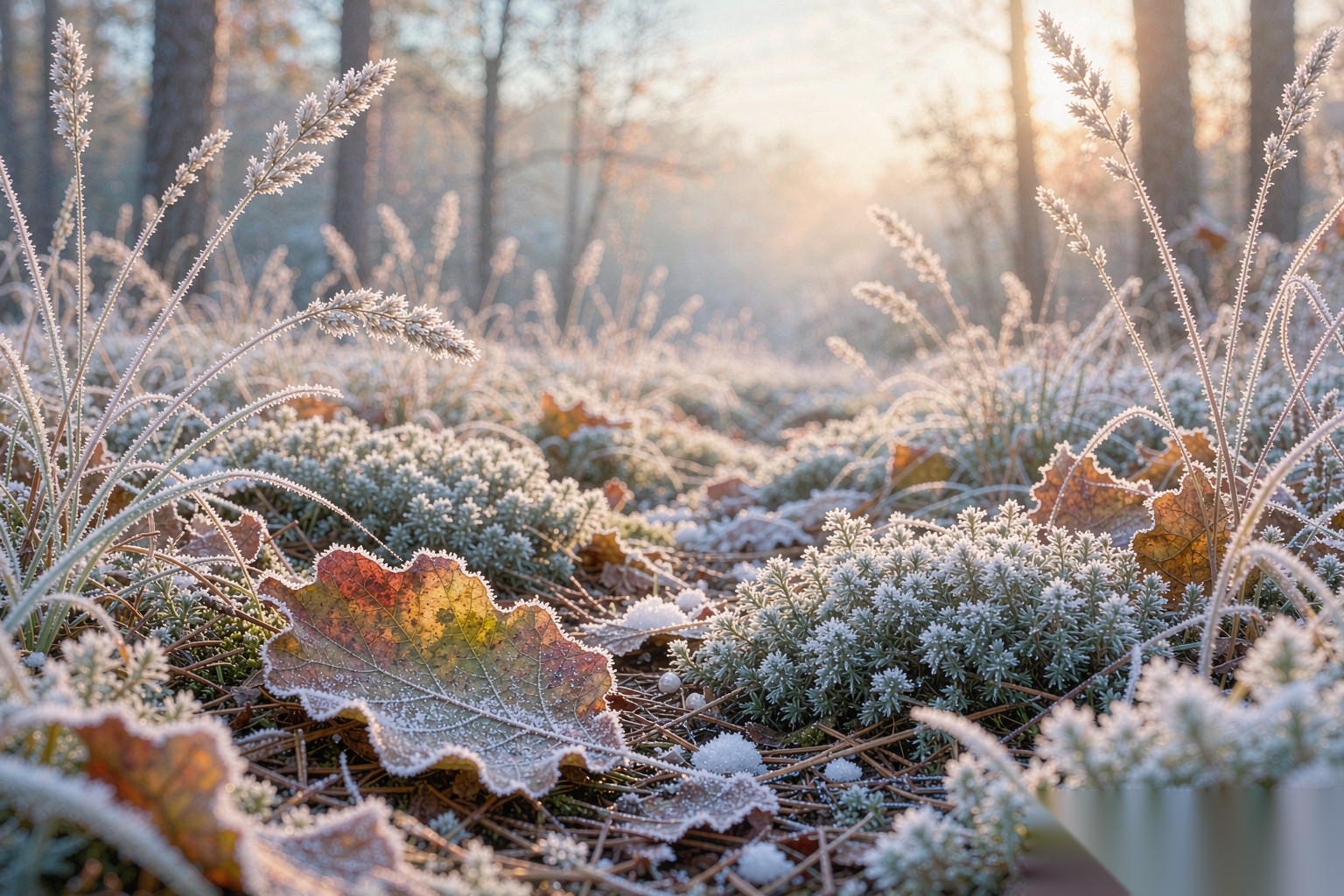
On October 23, 2026, we will experience Frost's Descent-the last solar term of autumn. After this, the weather turns colder, plants begin to wither, and nature enters a stage of "containment and storage." Traditional Chinese medicine suggests that autumn and winter are ideal times for nurturing and storing energy before pregnancy. Therefore, many couples planning to conceive wonder: Is autumn and winter truly better times for preparing for pregnancy by strengthening the body? Does seasonal health practice really help with pregnancy preparation?
1. First, let's make a conclusion: Solar terms do not directly affect success rates.
It's important to note that there is no reliable medical evidence indicating that the success rate of IVF in one season is significantly higher than in another. The results of assisted reproduction depend on factors such as the woman's age, ovarian reserve (AMH, number of primordial follicles), embryo quality, and endometrial receptivity, rather than temperature or solar terms.
If "preparing for pregnancy during autumn and winter" makes sense, it's not because winter makes it easier to conceive, but because these seasons are ideal for adjusting lifestyle habits and optimizing physical condition.
2. What should men and women do after Frost's Descent?
1. Keeping warm is essential.
As temperatures drop, blood circulation slows down. For men, higher scrotal temperatures can affect sperm motility. Although the idea of "fear of cold" isn't entirely accurate, prolonged sitting in tight clothing can lead to localized heat, which is detrimental to sperm quality. For women, keeping the abdomen and feet warm helps improve pelvic blood circulation.
Practical advice: Avoid sitting for more than an hour, wear loose, breathable underwear, soak feet in warm water before bed (not hot water), and add some clothing as needed.
2. Diet should be "warm and nourishing," but not excessive.
In autumn and winter, people often consume tonics, but pregnancy preparation doesn't require excessive nourishment. Overly greasy or high-sugar diets can increase metabolic burden, especially for those with polycystic ovary syndrome (PCOS).
Practical advice: Consume foods rich in protein (fish, eggs, lean meat), dark vegetables, and nuts. Reduce the intake of milk tea, desserts, and fried foods. Men can also consume foods rich in zinc and selenium, such as oysters and pumpkin seeds.
3. Adjust your schedule according to the time of day.
The "Huangdi Neijing" suggests sleeping early and rising late, allowing sunlight to act on the body. In modern terms, this means ensuring adequate sleep and reducing staying up late. Lack of sleep can disrupt endocrine functions, affecting ovulation and sperm production.
Practical advice: Try to go to bed before 11 PM and get 7–8 hours of sleep. Regular sleep patterns are more important than any supplements.
3. The true meaning of "containment": Reducing stress on the body.
In traditional Chinese medicine, "containment" refers to preventing excessive strain on the body. In the context of pregnancy preparation, this means three things:
- Reduce anxiety: Long-term stress can interfere with the hypothalamic-pituitary-ovarian axis, affecting ovulation.
- Avoid frequent changes: Don't change plans frequently or try unproven remedies. Follow the advice of licensed doctors.
- Limit overexertion: Quit smoking and drinking, limit caffeine intake, and exercise regularly. This helps preserve your body's resources.
4. Who should take advantage of autumn and winter to nourish themselves?
- Those with declining ovarian function: People who are older or have low AMH levels should adjust their lifestyle habits before seeking medical advice.
- People with metabolic disorders (such as PCOS)
5. Reminders from Leilawa: Health maintenance cannot replace medical evaluation.
Seasonal health practices are a valuable addition to overall wellness, but they are not a necessity, and certainly cannot replace medical examinations. If you have been trying to conceive for over a year (or more than half a year for those over 35 years old), or if you have concerns regarding your fallopian tubes, ovaries, or sperm quality, it is recommended to seek a comprehensive assessment at a qualified reproductive healthcare center.
For more on fertility preparation, second/third-generation IVF, and overseas, U.S., Thailand, Malaysia, America or Cambodia IVF, scan the QR code on the right or call lelaiwa's hotline+852 6145 8043!
 Address: Beijing City Yili Ecological Plaza
 WeChat: lelaiwa2008
 Phone: +852 6145 8043
